

Spine, Joint & Pelvic Floor
Full Video
Physiotherapist: Squeezing Can Make Urinary Incontinence Worse
If you leak urine while running, jumping, or coughing, this video explains why simply squeezing harder often isn't the fix.
Janne explains the biomechanics of barefoot/minimal shoes - zero drop, wide toe box, foot muscle activation and proprioception - describes tests for ankle and big toe mobility, and lists the situations (surgery, diabetes/nerve injury, major structural support needs) where barefoot shoes are not appropriate.
What are barefoot shoes, or have you thought about buying shoes but haven't taken the step forward? Joke aside, in this video I explain what barefoot shoes are and what kind of benefits you can get from them - also, at the end of the video, I tell you the cases when barefoot shoes are not a good option.
Let's start with the simple terms related to the topic, and what benefits come from them. Barefoot shoes are shoes that don't restrict movement in the foot - in other words they're minimal. Moving forward while walking should be as efficient as possible, and once we start having non-optimal movement patterns, we start to compensate the movement with muscles we don't want to use, which takes away the efficiency of walking. In barefoot shoes, the bottom of the shoe is zero-drop, meaning there is no height difference between the heel and the forefoot, and the bottom surface is typically quite thin in most cases.
What happens when we put elevation under the heel of the foot? The structures above the foot need to start compensating for the new posture, and if we start getting ischemic pain in the back from it, the erector muscles of the spine are working too hard, and it's like a fist that needs to relax at some point. Unfortunately the typical way of thinking is that we need more elevation under the heel, and indeed it might help a bit, but in the long run things get worse.
When the bottom of the shoe is very thin, starting with barefoot shoes feels a bit awkward - you can easily feel small rocks under the foot, and it's kind of strange. In our feet we have a tremendous amount of nerve cells working, and that information is transferred to our brain to be analyzed - when there are not that many restrictions, the information gathered is wider, and we need to find sharp and precise ways to change the posture of the foot to maintain balance.
If you are a true heel-striker when walking, those kinds of people start to adjust their way of walking in the long run to a more natural gait, gaining more elasticity in walking. Muscle forces decrease and muscles get thinner if we don't use them at all - results from a 2013 study showed that muscle thickness decreased 10 to 20 percent after one week when there was no muscle work present. In the same way, you want to have the opportunity to use the foot in a different way in the long run, to maintain good innervation of the nerves and a good situation in muscle force too. ---
Janne explains the biomechanics of barefoot/minimal shoes - zero drop, wide toe box, foot muscle activation and proprioception - describes tests for ankle and big toe mobility, and lists the situations (surgery, diabetes/nerve injury, major structural support needs) where barefoot shoes are not appropriate.
The video demonstrates specific movement patterns and clinical exercise progressions: What are barefoot shoes, or have you thought about buying shoes but haven't taken the step forward? Joke aside, in this video I explain what barefoot shoes are and what kind of benefits you can get from them - also, at t...
If symptoms relating to "Discover the Benefits of Barefoot Shoes: From Improved Walking Efficiency to Better Balance" persist for more than 1–2 weeks, interfere with sleep or daily function, an in-person OMT evaluation is recommended to identify the root cause and ensure proper rehabilitation.
If you leak urine while running, jumping, or coughing, this video explains why simply squeezing harder often isn't the fix.

Explains how chronic low-grade inflammation slows healing and increases pain sensitivity, and gives three practical dietary changes (fatty fish, colorful vegetables, olive oil) to help calm it.
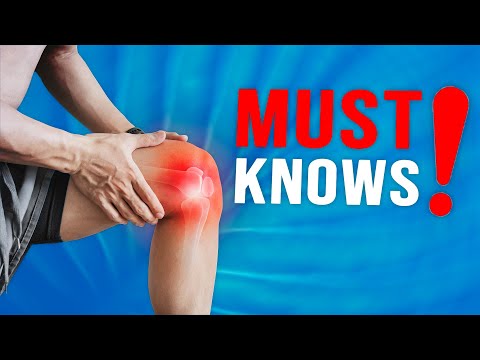
Breaks down five key facts about knee osteoarthritis, emphasizing that pain doesn't equal joint damage and that movement, not rest, is the best way to manage and improve the condition.
Get instant access to Janne Sakkinen's official Google Drive folder with exercise guides and rehabilitation protocols.
Get Free PDF Guides (Google Drive)Medical Disclaimer: The information presented in this article is strictly for educational purposes and does not replace a clinical physical therapy evaluation, medical diagnosis, or individualized treatment plan.