

Spine, Joint & Pelvic Floor
Full Video
Physiotherapist: Squeezing Can Make Urinary Incontinence Worse
If you leak urine while running, jumping, or coughing, this video explains why simply squeezing harder often isn't the fix.
Demonstrates piriformis muscle anatomy, self-massage techniques, multiple stretching positions, and strengthening exercises (glute bridges, side planks) for preventing and managing piriformis-related pain.
Do you want to find the best exercises and routines to prevent and manage your piriformis pain? Fantastic! You are in the right place. In this video we'll go over simple massage and self-treatment techniques as well various stretching exercises.
You'll undoubtedly discover the best ways to address your specific issue. At the end of the video you'll also get advice when an athlete or casual exerciser can return safely to their usual activities. Piriformis pain often stems from the minor injuries in the gluteal area, overloading the piriformis muscle and structural swelling. These factors must be addressed to enable pain-free movement.
For this reason we start with the anatomy. It's crucial to understand the structures what we are targeting with the treatments and stretches so that the exercises are precise and you don't have to do every stretch under the sun. By the way if you're looking for the great hip exercises you are going to find strongly recommended video in down below. Piriformis muscle.
Where to find it? Here's how. Place your fingers in the outer side of the thigh to locate the bony bump, that is the greater trochanter of the femur. The upper back part of the structure is where the piriformis muscle attaches.
The muscle body originates from the anterior surface of the sacrum from levels S2 to S4, near the sacral root openings. Therefore the muscle runs almost horizontal deep in the gluteal region. Massage techniques for the piriformis. Locate the two landmarks.
Place the ball along the path of the muscle body. Start by leaning your body against the wall, adjusting the distance of your feet to control the pressure. Once the tightness eases and the sharp sensations fade, continue by lying on your back in a soft surface. Place the ball on the correct spot and gently move the leg outwards and back to the midline.
Alternatively, flex your hip and rotate your thigh either in external or internally. This is important. If the massage causes intensive pain in the body, reflective tense the muscles, rendering the treatment ineffective. Always ensure that you can relax during the massage.
A good rule of thumb is to play short three to four minutes during the session. Treat the area every other day, aiming to reduce the symptoms progressively. The treatment should leave you feeling better afterwards. Stretching the piriformis in various positions.
Supine position. Bend the hips so that the knee points upwards. Grab the opposite ankle and place the sole of the foot to the floor. If the flexibility is an issue, support the foot, for example, with the books.
Keep the foot planted and gently rotate the pelvis towards the floor. Incorporate light breathing exercises, exhaling as you aim to bring your pelvis closer to the floor. Place the both knees at a 90-degree angle. Cross one over leg to the other.
Grab the knee of the stretching leg with the corresponding hand and opposite hand goes to the ankle. Pull the entire leg towards the opposite shoulder. Cross the stretching leg over the other. Rotate the stretching leg outwards and clap your hands behind the opposite thigh.
And then pull the opposite leg towards your chest. Sitting piriformis stretches. Place the stretching leg over the opposite thigh. Sit upright and lean your torso forward while keeping the lower back straight.
Avoid rounding your lower back to prevent the stretch from shifting to the wrong structures. Standing stretches. Using of the stool. Place your foot on the stool, then press your knee outwards to external rotation.
Bend the opposite knee slightly, ensuring the lumbar spine stays arched. Step forward with the unaffected leg, leaving the symptomatic side behind. Internally rotate both legs so the toes are angled towards your midline. Shift weight onto the back leg and press through the heel.
For additional stretch, place your hands on the hips and rotate your pelvis towards the painful side. Stretched should be always pain-free. Excessive force can cause the tissue to tense defensively. If the symptoms worsen overnight, reduce the intensity.
Resting pain should not increase after the treatment or stretches. Perform the stretches 2 or 3 times per day, to short 3-4 minute song or before the workouts. Returning to the sports. You can resume the regular training once you have gained full pain-free range of motion and it quit strained unaffected side.
Athletes should not feel discomfort during the training. For the other, exercise enthusiasts, through the stretching and warm-up are essential before the workouts. Prolonged symptoms without any treatment will lead to longer recovery times. However, the most symptoms improve significantly within 1-3 weeks at the start improper exercises.
Avoid prolonged sitting after the treatments and stretches and you'll notice that you're going to get great progress. If you are experiencing different kind of leg pain, then check this video out.
Demonstrates piriformis muscle anatomy, self-massage techniques, multiple stretching positions, and strengthening exercises (glute bridges, side planks) for preventing and managing piriformis-related pain.
The video demonstrates specific movement patterns and clinical exercise progressions: Do you want to find the best exercises and routines to prevent and manage your piriformis pain? Fantastic! You are in the right place. In this video we'll go over simple massage and self-treatment techniques as well vari...
If symptoms relating to "The Best Exercises for Preventing and Managing Piriformis Pain" persist for more than 1–2 weeks, interfere with sleep or daily function, an in-person OMT evaluation is recommended to identify the root cause and ensure proper rehabilitation.
If you leak urine while running, jumping, or coughing, this video explains why simply squeezing harder often isn't the fix.

Explains how chronic low-grade inflammation slows healing and increases pain sensitivity, and gives three practical dietary changes (fatty fish, colorful vegetables, olive oil) to help calm it.
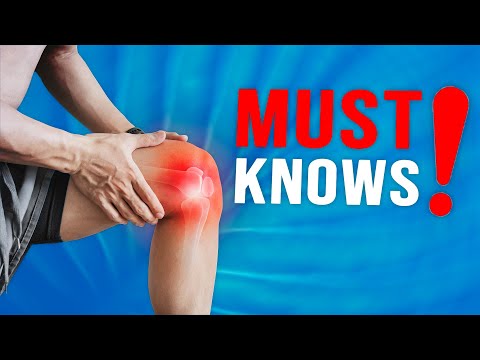
Breaks down five key facts about knee osteoarthritis, emphasizing that pain doesn't equal joint damage and that movement, not rest, is the best way to manage and improve the condition.
Get instant access to Janne Sakkinen's official Google Drive folder with exercise guides and rehabilitation protocols.
Get Free PDF Guides (Google Drive)Medical Disclaimer: The information presented in this article is strictly for educational purposes and does not replace a clinical physical therapy evaluation, medical diagnosis, or individualized treatment plan.